Today’s message is now online. You can listen to the audio here.
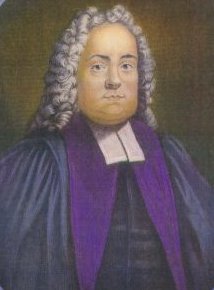
Matthew Henry writes this about what God requires of His covenant people in Micah 6:8:
The good which God requires of us is not the paying of a price for the pardon of sin and acceptance with God, but doing the duty which is the condition of our interest in the pardon purchased. (1.) We must do justly, must render to all their due, according as our relation and obligation to them are; we must do wrong to none, but do right to all, in their bodies,
goods, and good name. (2.) We must love mercy; we must delight in it, as our God does, must be glad of an opportunity to do good, and do it cheerfully. Justice is put before mercy, for we must not give that in alms which is wrongfully got, or with which our debts should be paid. God hates robbery for a burnt-offering. (3.) We must walk humbly with our God. This includes all the duties of the first table, as the two former include all the duties of the second table. We must take the Lord for our God in covenant, must attend on him and adhere to him as ours, and must make it our constant care and business to please him. Enoch’s walking with God is interpreted (Heb. 11:5) his pleasing God. We must, in the whole course of our conversation, conform ourselves to the will of God, keep up our communion with God, and study to approve ourselves to him in our integrity; and this we must do humbly (submitting our understandings to the truths of God and our will to his precepts and providences); we must humble ourselves to walk with God (so the margin reads it); every thought within us must be brought down, to be brought into obedience to God, if we would walk comfortably with him. This is that which God requires, and without which the most costly services are vain oblations; this is more than all burnt-offerings and sacrifices.
May we heed Evan’s exhortation to live each day with eyes to see the opportunities He puts before us to live well with both bottom-line trajectories, horizontal and vertical, in mind.
 Early on he asks a crucial question that reminds us of the paramount importance of practicing biblical peacemaking in the local church.
 PEACEMAKING PARAGONS